In November 1933, the National Board of the UNWLA and NY area branches formed a committee to disseminate awareness about the Famine in Ukraine. Correspondent for the YMCA, Florence G. Caccisit, and writer, Carvet Wells, accepted the invitation to join the effort.
With the assistance of Congressman John Delaney and others, the 73rd Congress passed Resolution 399 in May 1934 which stated in part that the “famine was a means of decreasing the population of Ukraine, to destroy Ukrainians politically, culturally, and…[to destroy] their national rights.”
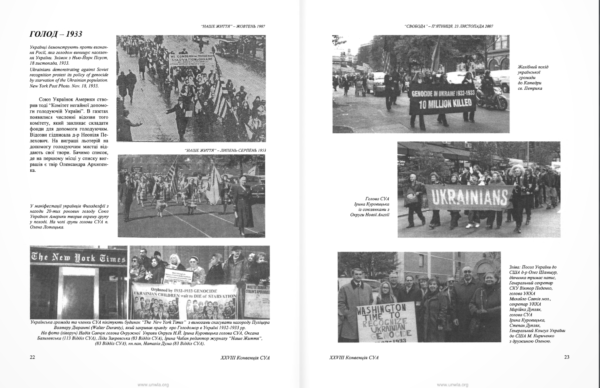
Illustration: archived photos of UNWLA-led protests over the years to bring awareness and commemorate victims of Holodomor.
Today the UNWLA is an affiliate member of the U.S. Committee for Ukrainian Holodomor Genocide Awareness.
The work undertaken by the UNWLA includes:
• Raising awareness and recognition of the Holodomor as a genocide through requests for gubernatorial proclamations
• Holding Holodomor exhibits and educational lectures
• Advocating for the inclusion of the Holodomor in genocide studies
Vera Andrushkiw, former President of the Detroit Regional Council, has created Holodomor teaching materials for teachers and students. You can view and download the English language presentation at the following link: http://bit.ly/2FBAVYa
More information can be obtained at www.ukrainegenocide.com
Instagram: @holodoraware
VICTORIA A. MALKO with UNWLA’s support published book Holodomor, the Genocide of the Ukrainians: A History with Sources.
She examines the Holodomor as a deliberate act of mass extermination carried out by the Soviet regime against Ukrainians — a crime that meets the definition of genocide under the 1948 U.N. Convention. Orchestrated by Communist Party leadership and the secret police, the famine specifically targeted Ukrainians to destroy national identity and prevent aspirations for independence, followed by decades of denial and disinformation. Drawing on primary sources and survivor testimonies, the book provides powerful insight into the totalitarian system and preserves stories of suffering, courage, and human dignity that remain urgently relevant today, reminding new generations of the importance of confronting injustice and defending human rights.
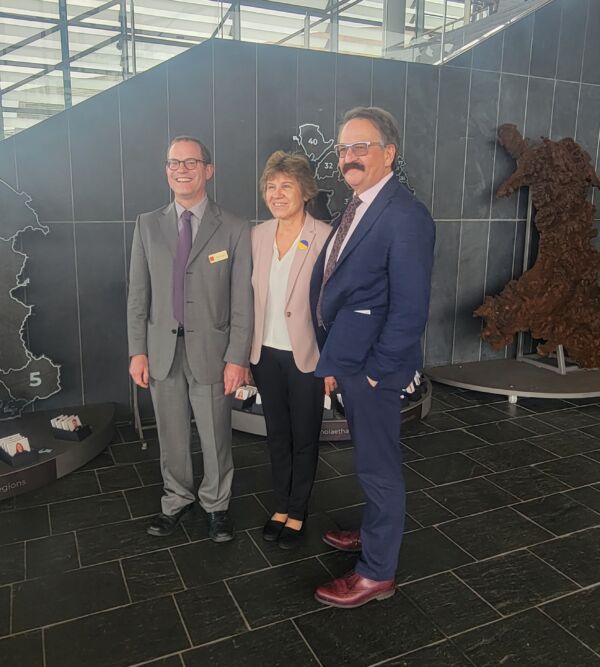
In 2022, the Ukrainian National Women’s League of America (UNWLA) presented the digitized archives of Gareth Jones’s diaries — a landmark effort to preserve one of the most important firsthand accounts of the Holodomor. While much of the Western world remained unaware of the famine — and some reporters, notably Walter Duranty, repeated Soviet denials — Welsh journalist Gareth Vaughan Jones courageously exposed the truth in 1933, becoming the first Western reporter to publicly document the catastrophe under his own name. After being barred from returning to the Soviet Union, Jones continued his investigative work until he was kidnapped and murdered in 1935. His diaries, later discovered and digitized with UNWLA’s sponsorship, provide one of the few independent contemporary records of the famine’s horrors and are now publicly accessible through the National Library of Wales, allowing students, researchers, and the broader public to learn directly from primary sources. The collection — which also includes Jones’s observations of Nazi Germany — preserves an irreplaceable historical testimony and honors a journalist who spoke truth despite widespread denial, a legacy that resonates profoundly as Ukraine once again faces existential aggression. Read more…
Simultaneously with supporting international, diaspora-led initiatives, UNWLA members have been organizing local commemorative events and educational initiatives to raise awareness of the Holodomor and advocate for its global recognition as the genocide of the Ukrainian people.
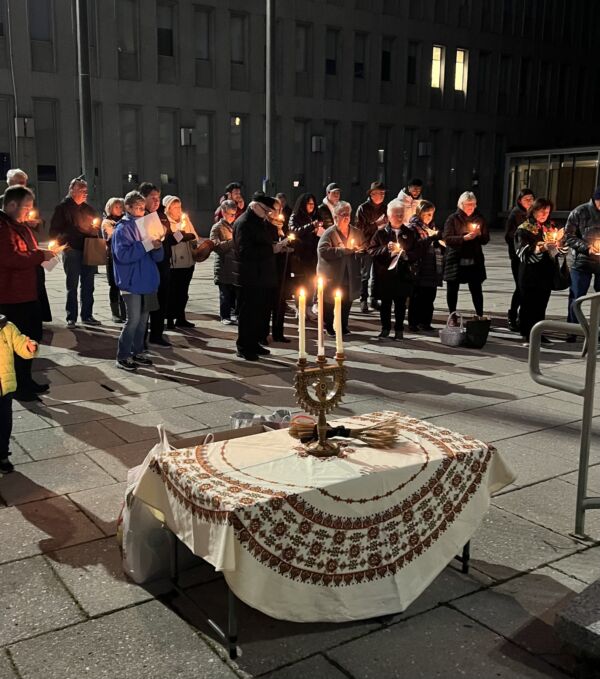
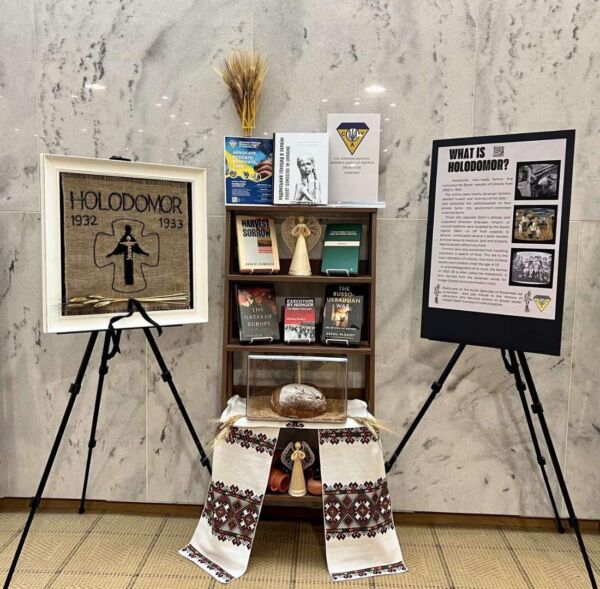
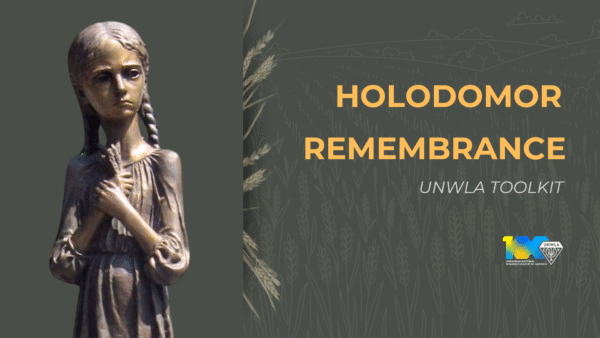
Following its mission to support members and the wider Ukrainian-American community, UNWLA has developed a Holodomor Commemoration Toolkit — a resource offering strategies and ideas for raising awareness and organizing meaningful remembrance events.